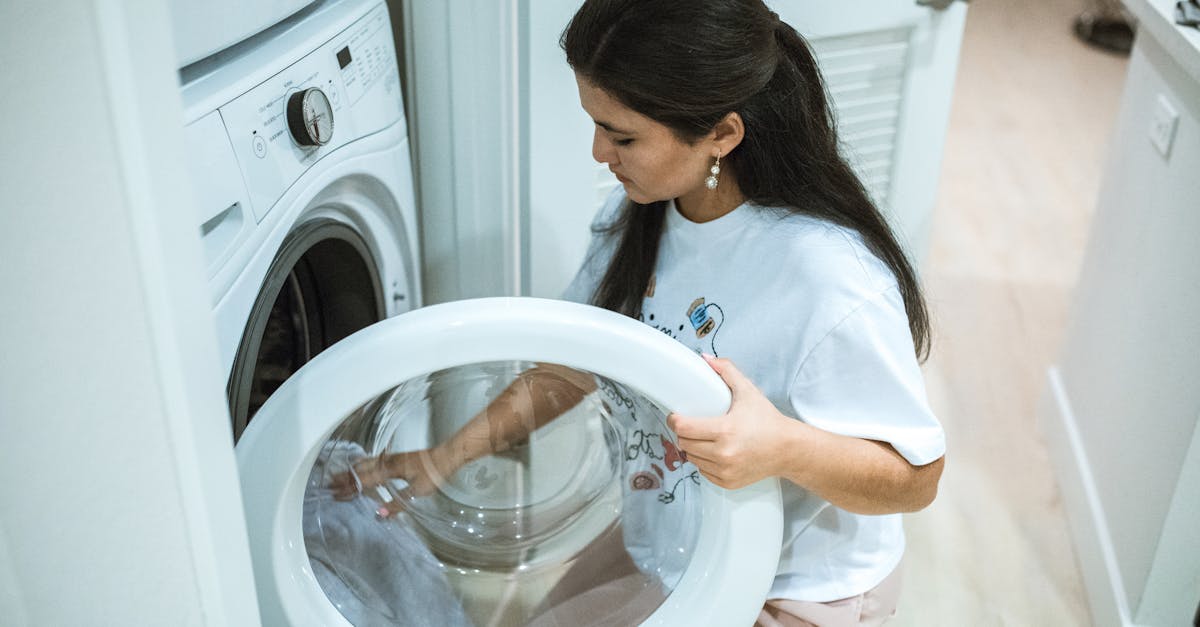
Steps to Fix a Washing Machine That Won't Start
Table Of Contents
Test the Fuse or Circuit Breaker
Electrical issues are often the first culprits when a washing machine fails to start. An easy initial step is to check the fuse box or circuit breaker panel. Fuses may have blown, or breakers might have tripped, particularly if multiple appliances are operating simultaneously. Simply resetting the breaker or replacing a blown fuse may resolve the problem.
In older homes, fuses can be more common and may require a closer examination. If a fuse appears blackened or burnt, replacing it is essential. After replacing the required fuse or resetting the circuit breaker, attempt to start the machine again. If the issue persists, further investigation may be necessary to ensure the appliance is receiving power properly.
Replace Blown Fuses
Fuses can blow due to electrical surges or other issues, causing the washing machine to lose power. It's essential to locate the fuse box and inspect each fuse carefully for damage or discoloration. If you find a blown fuse, replacing it is usually a straightforward task. Ensure you switch off the power at the circuit breaker before starting any replacement to avoid electrical hazards.
When buying a new fuse, make sure it matches the specifications of the original. If replacement fuses are not readily available, check with local hardware stores or online suppliers. Once the new fuse is in place, restore power to the machine and test whether the washing machine starts correctly. If it does not work after replacing the fuse, further investigation into the appliance’s wiring or internal components may be necessary.
Review Machine Settings
Checking the machine settings is essential when troubleshooting a washing machine that won’t start. Users should ensure that the machine is properly plugged in and that the power source is functioning. Sometimes, a simple oversight, such as a loose connection or a tripped power switch, can prevent the unit from powering on.
It’s also important to confirm that the desired wash cycle is selected appropriately. Selecting a cycle that is not compatible with the machine's settings can lead to operational issues. Ensure that the door is securely closed, as many models are designed to prevent operation if the door is ajar. Double-checking these settings can often resolve the issue and get the washing machine running again.
Ensure Correct Cycle Selection
Selecting the correct wash cycle is crucial for ensuring your washing machine operates efficiently. Each cycle caters to different fabric types and load sizes. For instance, using a delicate cycle for heavy fabrics can lead to poor cleaning results or even damage your garments.
Before attempting to start the machine, verify that the selected cycle matches the items being washed. Familiarise yourself with the symbols and options on the control panel. If unsure, most machines come with a guide that explains the various settings. Taking the time to double-check your selection can save you time and prevent frustration later.
Investigate Error Codes
When a washing machine fails to start, it may display specific error codes indicating the nature of the problem. These codes serve as diagnostic tools that can help pinpoint issues within the machine. Common error codes often relate to problems such as lid locks, water supply issues, or motor malfunctions. Familiarising oneself with these codes can save time and streamline the troubleshooting process.
Referencing the user manual is essential when deciphering error codes. Each manufacturer has distinct codes and meanings, making it vital to consult the guide for accurate information. If the manual is unavailable, many manufacturers provide resources online that outline error codes and their solutions. Understanding these codes can lead to quicker fixes and better communication with service professionals if needed.
Refer to the User Manual
Every washing machine is equipped with its own set of features and potential error codes. Manufacturers often include specific troubleshooting steps in the user manual that can help identify the issue causing the machine not to start. Familiarising yourself with the manual can save time and prevent unnecessary frustration. Looking for any troubleshooting sections or dedicated error code explanations can pinpoint potential problems quickly.
User manuals typically provide detailed instructions for various common issues, including information on resetting the machine, checking connections, and other relevant information. Many manuals also contain troubleshooting flowcharts that guide users through a systematic approach to identifying and resolving issues. If the manual is not immediately available, searching online for a digital copy may be beneficial, as the information can assist in resolving any underlying issues with the machine.
FAQS
What should I do first if my washing machine won't start?
The first step is to check the fuse or circuit breaker to ensure that power is reaching the machine.
How can I tell if a fuse is blown?
You can tell if a fuse is blown by inspecting it visually for any breaks or using a multimeter to test for continuity.
What if my washing machine still doesn't start after checking the fuse?
If the fuse is fine, review the machine settings to ensure the correct cycle is selected and that the door is fully closed.
Where can I find error codes for my washing machine?
Error codes can typically be found in the user manual that came with your washing machine or on the manufacturer's website.
What should I do if I can't resolve the issue on my own?
If you’re unable to fix the problem after following the troubleshooting steps, consider contacting a professional technician for assistance.
Related Links
How to Repair a Washing Machine with a Failure to DrainHow to Resolve Water Leakage Issues in Your Washing Machine
Guide to Replacing a Faulty Water Inlet Valve
Guide to Replacing a Damaged Washing Machine Hose
Step-by-Step Instructions for Aligning a Misaligned Washing Machine