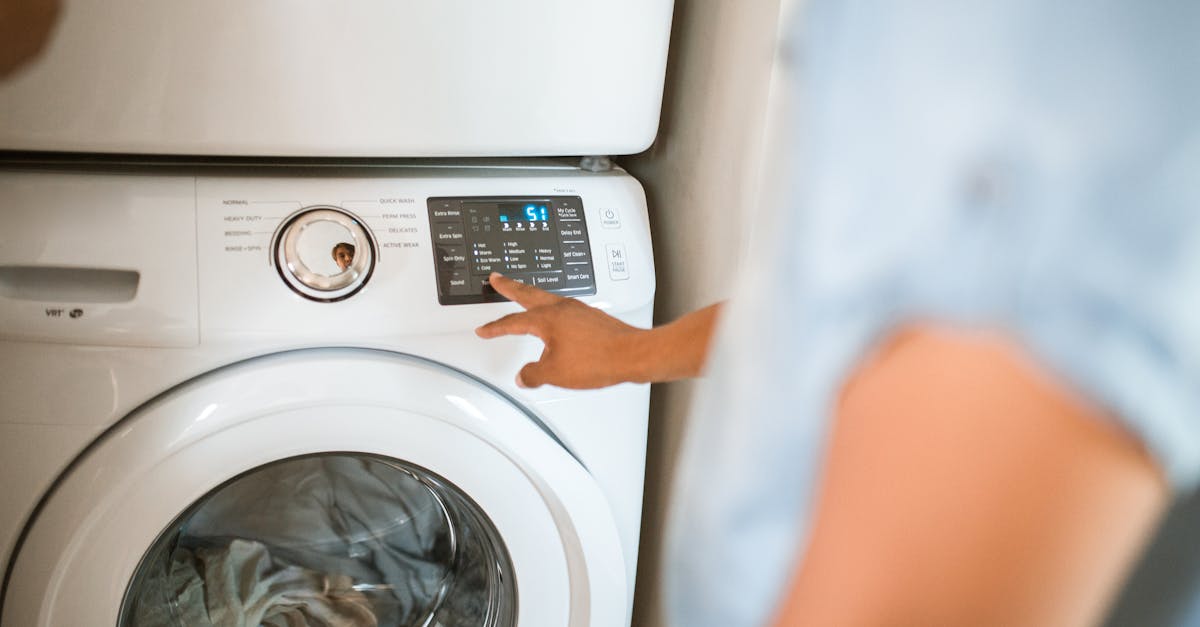
Guide to Replacing a Faulty Water Inlet Valve
Table Of Contents
Choosing the Right Water Inlet Valve
Selecting a replacement water inlet valve requires careful attention to the specifications of your appliance. Each model comes with unique measurements and fitting requirements. Checking the manufacturer's manual can provide essential information regarding compatibility. It helps to note both the voltage and the water pressure ratings for the new valve to ensure it meets the expected performance standards.
Material quality also plays a significant role in the longevity and efficiency of the valve. Many options exist, ranging from plastic to brass. While plastic valves may be more cost-effective, brass valves often provide enhanced durability and resistance to wear. Considering the conditions in which the valve will operate can guide your choice towards a more suitable material. Always prioritise valves from reputable brands to ensure reliability and support.
Factors to Consider When Selecting a Replacement
When selecting a replacement water inlet valve, compatibility with your specific appliance model is paramount. Check the manufacturer’s specifications for the original part, ensuring that the new valve matches not only in dimensions but also in design. Consider the valve's connection type, usually either screw or plug fittings, to ensure a seamless installation. Additionally, pay close attention to the pressure ratings as some valves are designed to handle higher pressures than others.
Material quality is another crucial factor that can impact the performance and longevity of the valve. Look for valves made from durable materials such as reinforced plastic or brass, which typically offer better resistance to corrosion and wear. Reviews and ratings from other users can provide insight into the reliability of specific brands and models. Taking the time to research and select a high-quality replacement can save you from frequent breakdowns and repairs in the future.
Troubleshooting After Replacement
After installing the new water inlet valve, testing its functionality is essential. Begin by checking for any leaks around the connections. If water is seeping from the joint, tighten the fittings and ensure that the seals are properly aligned. Power on the appliance to see if water flows smoothly through the valve and observe any unusual noises. Abnormal sounds can indicate a misalignment or obstruction.
Monitoring the appliance's performance over the next few cycles is also important. If the equipment doesn’t fill as expected, there may be a blockage or the valve could be faulty. Disconnect the valve again to inspect for debris that might be hindering operation. Testing the valve's electrical components can confirm whether it is receiving power. If issues persist, further investigation into other related components may be necessary.
Ensuring Proper Functionality
After replacing the water inlet valve, it is essential to run a series of tests to confirm that it operates correctly. Begin by turning on the water supply and monitoring for any leaks around the valve connections. A small amount of water is normal during initial activation as air escapes, but persistent leaking may indicate a need for tighter fittings or a faulty valve. Next, check the functionality by running a load cycle through your appliance. Observing water fill times will help determine if the valve is operating at the intended efficiency.
Listening for any unusual noises during the fill process can also provide insight into the valve's performance. Gurgling or hissing sounds often suggest air pockets or partial obstructions within the valve or the supply line. If problems persist after installation, reconnecting the valve and ensuring it is seated correctly can resolve many issues. Regularly inspecting the valve for wear and tear and keeping surrounding areas clear of debris will contribute to its longevity.
Maintenance Tips for Water Inlet Valves
Regular maintenance of water inlet valves can significantly enhance their longevity and efficiency. It's advisable to inspect these components periodically for signs of wear, cracks, or leaks. Ensuring that the connections are tight will help prevent any leaks that could cause water damage. Additionally, clearing any debris or mineral build-up from the valve can improve water flow and reduce the risk of blockages.
Another useful practice involves checking the filter screens, which may accumulate sediment over time. Cleaning these screens can enhance performance and prevent inefficiencies in water supply. Regularly monitoring the operating pressure of your system is important as well; excessive pressure can strain the valve, leading to premature failure. By integrating these simple maintenance tasks into your routine, you can help ensure that your water inlet valve operates effectively for an extended period.
How to Extend the Life of Your Valve
Regular maintenance is essential for prolonging the lifespan of your water inlet valve. Ensure that the valve remains clean and free of debris by regularly inspecting it. Sediment build-up can significantly affect its performance over time. If you notice any signs of wear or leaks, address these issues promptly to prevent further damage. Performing periodic tests can also help detect any problems early, allowing for timely interventions.
Temperature fluctuations can impact the valve’s performance. It’s wise to insulate pipes in areas prone to extreme temperatures. This can prevent thermal stress on the valve. Additionally, checking the water pressure regularly can help you maintain optimal levels. Excessive pressure can lead to premature wear and tear. Following these preventative measures will contribute to the durability of your water inlet valve.
FAQS
What is a water inlet valve?
A water inlet valve is an essential component in appliances like washing machines and dishwashers, controlling the flow of water into the unit.
How do I know if my water inlet valve is faulty?
Common signs of a faulty water inlet valve include water leaks, failure to fill the appliance, unusual noises during operation, or error codes displayed on the machine.
What factors should I consider when choosing a replacement water inlet valve?
When selecting a replacement water inlet valve, consider compatibility with your appliance model, manufacturer specifications, the valve's size and type, and the quality and reliability of the brand.
Is it difficult to replace a water inlet valve myself?
Replacing a water inlet valve can be a manageable DIY task if you have basic plumbing skills and tools. However, if you're unsure or uncomfortable, it's advisable to consult a professional.
How can I ensure the proper functionality of the new valve after replacement?
After replacing the valve, check for any leaks, test the appliance to ensure it fills correctly, and listen for any unusual sounds. Regularly inspect the valve and surrounding areas for signs of wear or damage.
Related Links
How to Repair a Washing Machine with a Failure to DrainGuide to Replacing a Damaged Washing Machine Hose
Steps to Fix a Washing Machine That Won't Start
Step-by-Step Instructions for Aligning a Misaligned Washing Machine
Troubleshooting Error Codes: A Detailed Guide for Your Washing Machine
Comprehensive Steps for Dealing with Excessive Noise During Wash Cycles
Step-by-Step Guide to Fixing a Washing Machine Drum That Won't Spin