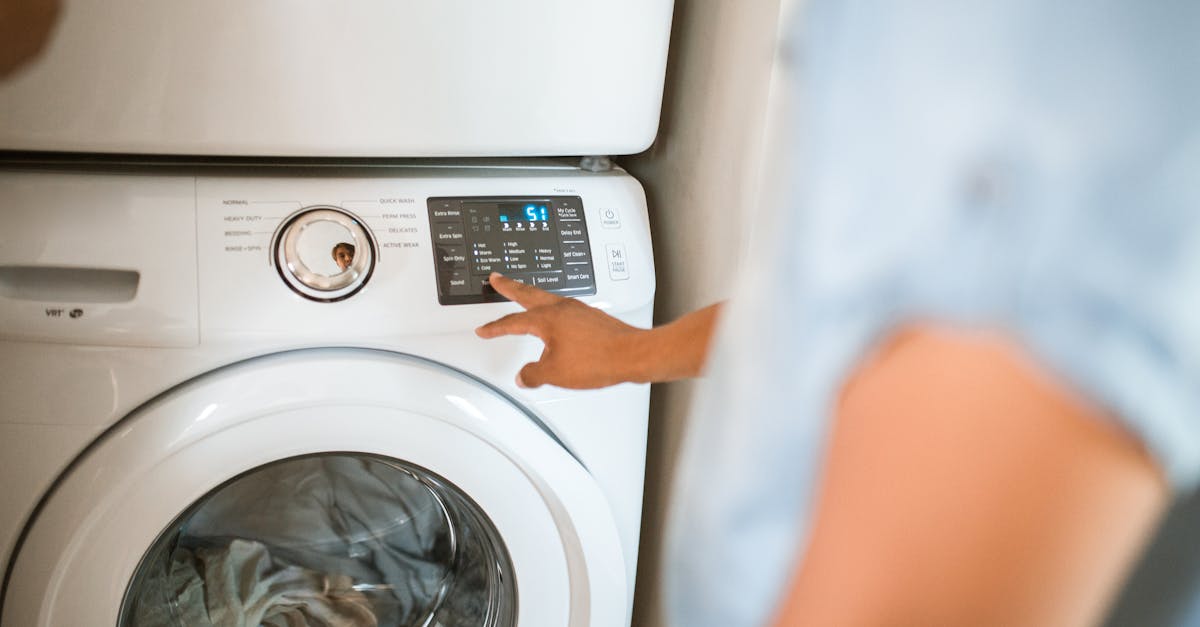
Comprehensive Steps for Dealing with Excessive Noise During Wash Cycles
Table Of Contents
Evaluating the Load Size
Understanding the appropriate load size for your washing machine is crucial in minimising noise during wash cycles. An overloaded machine can create excessive strain on internal components, leading to rattling and additional vibrations. Conversely, a load that is too small may cause the drum to become unbalanced, resulting in clinking and increased motion.
To achieve optimal performance, always follow the manufacturer's guidelines regarding load capacity and distribution. It’s wise to distribute items evenly across the drum. This practice not only safeguards the machine but also ensures quieter operation. Regularly assessing the size and weight of your laundry can significantly enhance the washing experience while reducing unnecessary noise.
Importance of Proper Load Distribution
Proper load distribution plays a vital role in minimising noise during wash cycles. An unbalanced load can cause the washing machine to vibrate excessively. This vibration not only leads to a noisy operation but can also result in potential damage to the machine over time. By spreading the weight of the clothes evenly, the machine operates more smoothly, reducing the risk of loud clanking sounds or rattling.
A mixed load may exacerbate this issue. Heavier items, such as towels or blankets, need to be positioned strategically to avoid concentrating the weight on one side. Distributing clothes of similar weight around the drum helps in achieving balance. This approach not only helps maintain machine longevity but also enhances the overall washing experience by preventing disruptive noises.
Investigating Internal Components
Identifying the sources of excessive noise during wash cycles often involves a closer examination of the internal components of the machine. Various parts, such as bearings, the motor, and the drum, can contribute to unusual sounds. Worn bearings may lead to grinding or rumbling noises, while a malfunctioning motor could produce high-pitched whines or rattling. It's wise to listen carefully to the type of sound produced in order to pinpoint the potential issue accurately.
Another area to check is the suspension system, which comprises springs and dampers designed to keep the drum stable during operation. If these components are damaged or worn, the drum may move excessively, causing banging or thumping sounds. Inspecting belts and pulleys is also essential, as any misalignment can lead to a screeching noise during the spin cycle. Regular checks and maintenance of these internal parts can significantly reduce excessive noise and prolong the life of the washing machine.
Key Parts That Might Cause Noise
Washers contain various components that can contribute to excessive noise during operation. The drum is often a primary source of sound, particularly if it is not secured properly or if there is a malfunction in the bearings. In cases where the drum is out of balance, it can create significant vibration and noise while spinning. Another potential culprit is the pump, which may generate loud sounds if it is clogged or malfunctioning.
Additionally, the motor can sometimes emit unusual noises, especially if it is failing or if there is an obstruction affecting its operation. Belts connecting the motor to the drum may also wear out or misalign, leading to grinding or squeaking noises. Rubber mounts and shock absorbers serve to dampen vibrations; if these components wear out or become damaged, they might fail to function properly, resulting in audible disturbances during wash cycles.
Seeking Professional Help
If excessive noise persists despite making adjustments to the washing machine's load size and distribution, it may be time to consider professional assistance. Trained technicians possess the expertise necessary to diagnose underlying issues that may not be apparent to the average user. They can perform thorough inspections of the machine, identifying problems within the drum, motor, or internal components.
Noticing any unusual sounds during wash cycles can be a sign of potential mechanical failure. Ignoring these noises could lead to further damage and costly repairs down the line. Scheduling a service visit with an experienced technician is advisable for anyone unsure about the source of the noise or the proper steps to take in resolving it.
When to Contact a Technician
Unusual noises during wash cycles can sometimes indicate underlying issues that require the expertise of a professional. If the noise persists despite trying various troubleshooting methods, it may be time to consult a technician. Symptoms such as a persistent rattling, grinding sounds, or excessive vibrations could suggest problems with internal components that are not easily accessible or identifiable.
Recognising the right moment to seek help can prevent further damage to the washing machine. If there are signs of leaks accompanying the noise or the unit fails to operate properly despite routine checks, engaging a qualified technician is essential. Professionals can conduct comprehensive diagnostics and repairs, ensuring your appliance functions smoothly and efficiently.
FAQS
What should I do if my washing machine is making excessive noise during a wash cycle?
First, evaluate the load size and ensure proper distribution of items in the drum. If the problem persists, investigate internal components for issues or consider seeking professional help.
How can I determine if my washing machine load is too heavy?
A general rule is to ensure that the load is balanced and does not exceed the manufacturer's recommended capacity. If the washing machine struggles to spin or shakes excessively, the load may be too heavy.
What are some common internal components that can cause noise in a washing machine?
Common components include the drum bearings, belt, motor, and suspension springs. If these parts are worn or damaged, they can lead to excessive noise during wash cycles.
When should I consider calling a technician for my noisy washing machine?
If you've evaluated the load size and internal components but the noise persists, or if you notice any unusual sounds that could indicate a mechanical failure, it’s time to contact a technician.
Can improper load distribution really cause significant noise during wash cycles?
Yes, improper load distribution can lead to an unbalanced load, which can cause the washing machine to vibrate excessively and produce loud noises. It’s essential to evenly distribute items for optimal performance.
Related Links
Troubleshooting Error Codes: A Detailed Guide for Your Washing MachineStep-by-Step Guide to Fixing a Washing Machine Drum That Won't Spin
Steps to Fix a Washing Machine That Won't Start
How to Repair a Washing Machine with a Failure to Drain
Guide to Replacing a Faulty Water Inlet Valve