Tips for Preventing Drum Malfunctions in Your Washing Machine
Table Of Contents
Keeping the Seal Clean
A clean door seal is essential for the proper functioning of your washing machine. Over time, lint, dirt, and detergent residue can accumulate in this area, leading to leaks and malfunctions. Regularly wiping down the rubber gasket with a damp cloth can prevent build-up. Pay attention to any crevices where grime tends to hide.
In addition to routine cleaning, it's wise to keep the door slightly ajar when the machine is not in use. This allows moisture to evaporate, reducing the chances of mould growth. If you notice any signs of wear or cracking in the gasket, consider replacing it to ensure your machine continues to operate efficiently. Proper care of the seal extends the lifespan of the washing machine and enhances its performance.
Maintaining the Door Gasket
The door gasket is a crucial component in keeping your washing machine functioning efficiently. Regular inspection is essential to ensure that it is free from debris or any signs of wear and tear. A clean gasket helps maintain a proper seal during operation, preventing leaks and ensuring effective washing cycles. Use a damp cloth to wipe the gasket, paying attention to the grooves where dirt and detergent residue can build up over time.
It's also important to check for any cracks or tears in the gasket material. Damage can compromise the seal and lead to water escaping from the machine, which can cause significant issues both for the appliance and your flooring. If you notice any abnormalities, replacing the gasket promptly will prevent further complications and maintain the overall health of your washing machine.
Monitor for Noises
Noises during the washing cycle can signal potential drum malfunctions. A sudden increase in sound levels or unusual clanking may indicate loose parts or a foreign object lodged in the drum. If you start hearing a rhythmic thumping or grinding noise, it could be a sign that the machine is off balance or that the bearings are worn out. Regularly monitoring these sounds can help in promptly identifying issues before they escalate into more serious problems.
It’s essential to pay attention to any changes in noise patterns. A machine that typically runs quietly may develop new sounds without warning. Noticing these changes allows you to assess whether the washing machine is functioning correctly. Ignoring persistent noises can lead to deeper mechanical failures, resulting in costly repairs. Keeping an ear out for irregularities not only ensures the longevity of your appliance but also helps maintain its efficiency.
Recognising Unusual Sounds
Pay attention to any sounds your washing machine makes during its operation. Unusual noises like grinding, thumping, or rattling can indicate that something is amiss. These sounds may arise from loose parts or an unbalanced load. Identifying the source of the noise is crucial. Often, a misalignment within the drum or a foreign object lodged between components can lead to these issues.
Another common sound to be wary of is a persistent squeaking. This can signify problems with the bearings or motor issues. If you hear a high-pitched whirr or buzzing, it might point to the pump struggling to expel water. Regularly monitoring these sounds can help detect problems early, allowing for timely repairs and preventing further damage to the appliance.
Appropriate Usage of Settings
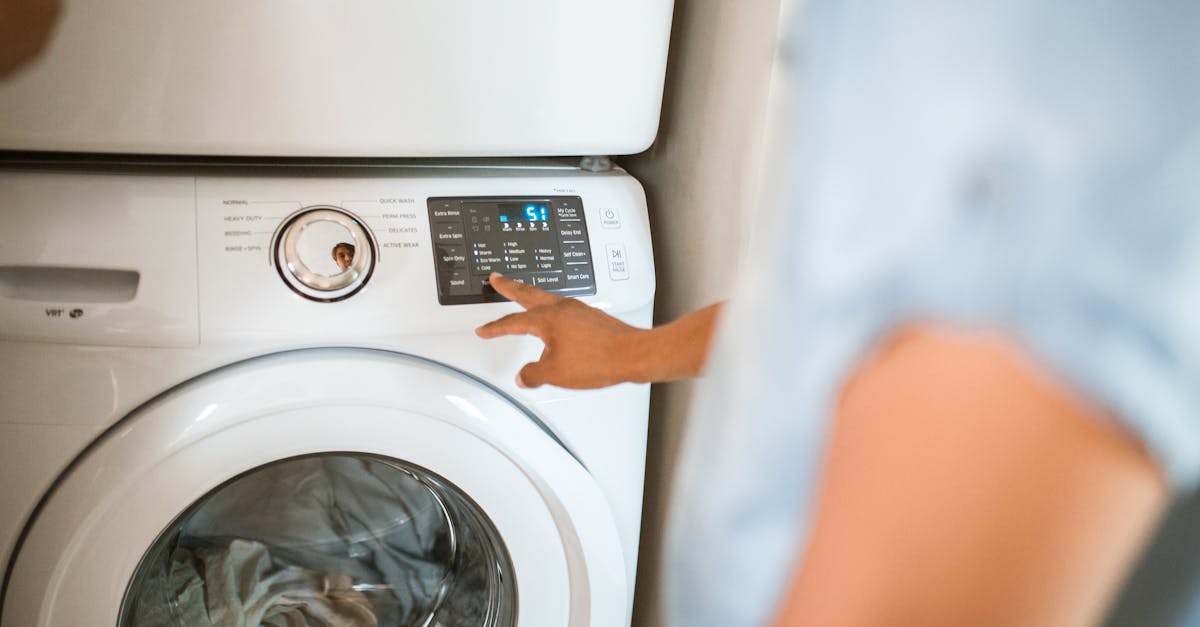
Using the appropriate settings on your washing machine can significantly reduce the likelihood of drum malfunctions. Different fabrics and load sizes require specific cycles to function optimally. Introducing heavy items into a delicate cycle can lead to excessive wear and potential damage to both the clothes and the machine itself. Always refer to the care labels on your garments to choose the suitable washing setting that best fits their requirements.
Overloading the washing machine can strain the drum and motor, increasing the risk of breakdowns. Each machine has a recommended load capacity that should not be exceeded. Understanding the various options available, such as spin speeds and temperature settings, allows for better management of your laundry. Regularly adjusting these settings based on the type of load not only extends the life of your washing machine but also ensures cleaner results.
Selecting the Right Cycle for Your Load
Choosing the appropriate washing cycle is vital for maintaining your machine's functionality and prolonging its lifespan. Each fabric type has specific needs that can influence wash performance. For instance, delicate items require gentler handling, while heavier fabrics like towels benefit from more vigorous cycles. Understanding the requirements of your laundry helps prevent excess wear on the drum and components.
Oversizing loads can lead to poor washing performance and strain the machine’s motor. When selecting a cycle, ensure that the chosen setting aligns with the size of your load. Consider using shorter cycles for smaller amounts of laundry to conserve energy and water. Regularly consulting the manufacturer’s guidelines can also enhance your ability to choose effectively.
FAQS
How often should I clean the door gasket of my washing machine?
It’s recommended to clean the door gasket at least once a month to prevent mould and mildew build-up, which can lead to drum malfunctions.
What should I do if I hear unusual noises coming from my washing machine?
If you hear unusual noises, such as grinding or banging, stop the machine immediately and check for any foreign objects or issues with the drum. It may be prudent to consult a professional if the sounds persist.
Can using the wrong wash cycle cause damage to my washing machine?
Yes, using an inappropriate wash cycle for your load can lead to excessive strain on the motor and drum, potentially resulting in malfunctions or damage over time.
Is it important to regularly check the seal of my washing machine?
Absolutely! Regularly checking and maintaining the seal can help prevent leaks and ensure that your washing machine operates efficiently, reducing the risk of drum malfunctions.
What are some signs that my washing machine drum might be malfunctioning?
Signs of a malfunctioning drum include excessive noise, vibrations during operation, water leaks, or the drum not spinning properly. If you notice any of these, it’s best to investigate further or seek professional help.
Related Links
Understanding the Role of the Drive Belt in Drum Spin ProblemsHow to Fix a Washing Machine Drum That Won't Spin Properly
Identifying Electrical Problems That Affect Drum Spin Performance
Resetting Your Washing Machine to Resolve Drum Spin Issues
How to Check and Replace a Faulty Drum Motor
Troubleshooting Unusual Noises When the Drum Fails to Spin
The Impact of Load Balance on Washing Machine Drum Functionality
Common Signs of Drum Issues in Washing Machines
Diagnosing the Causes of a Washing Machine Drum Not Spinning